Choosing Each Other, Grown-Up Edition

Recently, on a family vacation, my partner and I found ourselves reflecting on how we speak to our children. I tend to be very direct—it’s the Italian in me—and I usually say exactly how I feel, with about as much subtlety as Moira Rose reading the comments section. My partner, on the other hand, has mastered the art of communicating for impact. He chooses his words intentionally, thinking ahead to how they will be received, and I genuinely admire this skill in him.
As we talked through the evening, he pointed out a moment where my communication could have been gentler. I listened. I considered it. I agreed. And I thanked him. This is an area where I’ve been learning from him for some time, and with his guidance, I continue to become a better parent, a better step-parent, and a more thoughtful communicator.
Receiving feedback can be difficult. It places us in a vulnerable position, asking us to face our flaws, take responsibility for our impact (even when our intentions were good), and make repairs, often with the very people we most hope will love us unconditionally. That’s a tall order in a world where so many of us have internal voices living rent-free in our heads, telling us how unlovable we are.
But in the right moment, and with the right person, gentle feedback can unlock hidden parts of ourselves where rich veins of growth, self-trust, and deeper love are waiting. To accept feedback, we have to feel safe enough to be vulnerable, and held enough by the person offering it to stay open rather than defensive. As I moved through that moment with my partner, it struck me that for the first time in my life, I’ve found a relationship where I feel safe enough to surrender control, to grow, and to soften. And that feels worth naming.
My experience with my own stepmother was not ideal. She was neither kind nor loving, and she rewrote the world entirely according to her own narrative, unable to hold any perspective but her own. Being exposed to her jealousy and hostility during a formative time in my life was the first moment I questioned whether I was worthy of love at all.
Because of that, I hold the care of my partner’s children and their hearts as one of my most sacred responsibilities.
Being overly direct carries real risks. It can provoke defensiveness, create shame, and trigger psychological resistance, especially in our closest relationships. Humans are hardwired to protect their dignity and autonomy, and when either feels threatened, learning shuts down. Where adult children are concerned, tone and framing matter just as much, if not more, than blunt truth.
One skill I’m actively practicing is learning to ask questions and invite personal reflection instead of offering opinions. When I get curious instead of correcting, I create space for reflection without making anyone feel wrong, and I allow others to arrive at their own conclusions in their own time. Every time I choose the adult path in a moment that feels emotionally charged, I prove something important to myself: my stepmother could have done better, and her failure as the parent in the situation was never my fault.
These days, I’m carrying a different kind of wisdom, and I see the same shift happening across the sisterhood of Gen X women stepping into midlife with clarity, honesty, and grace. We are learning to love at a higher level. We can hold our own perspectives alongside those of the people we love. We understand the complexity of truth. We are honest about what we need, less interested in proving anything, and far more invested in genuine connection.
We have more experience now. More patience. More restraint. Better emotional regulation. We seek understanding over being right. Maybe it’s because we’re more aware that time is finite. Maybe it’s because we’ve come into our power. Or maybe it’s simply because we’re no longer willing to waste energy on anything that doesn’t align with who we truly are.
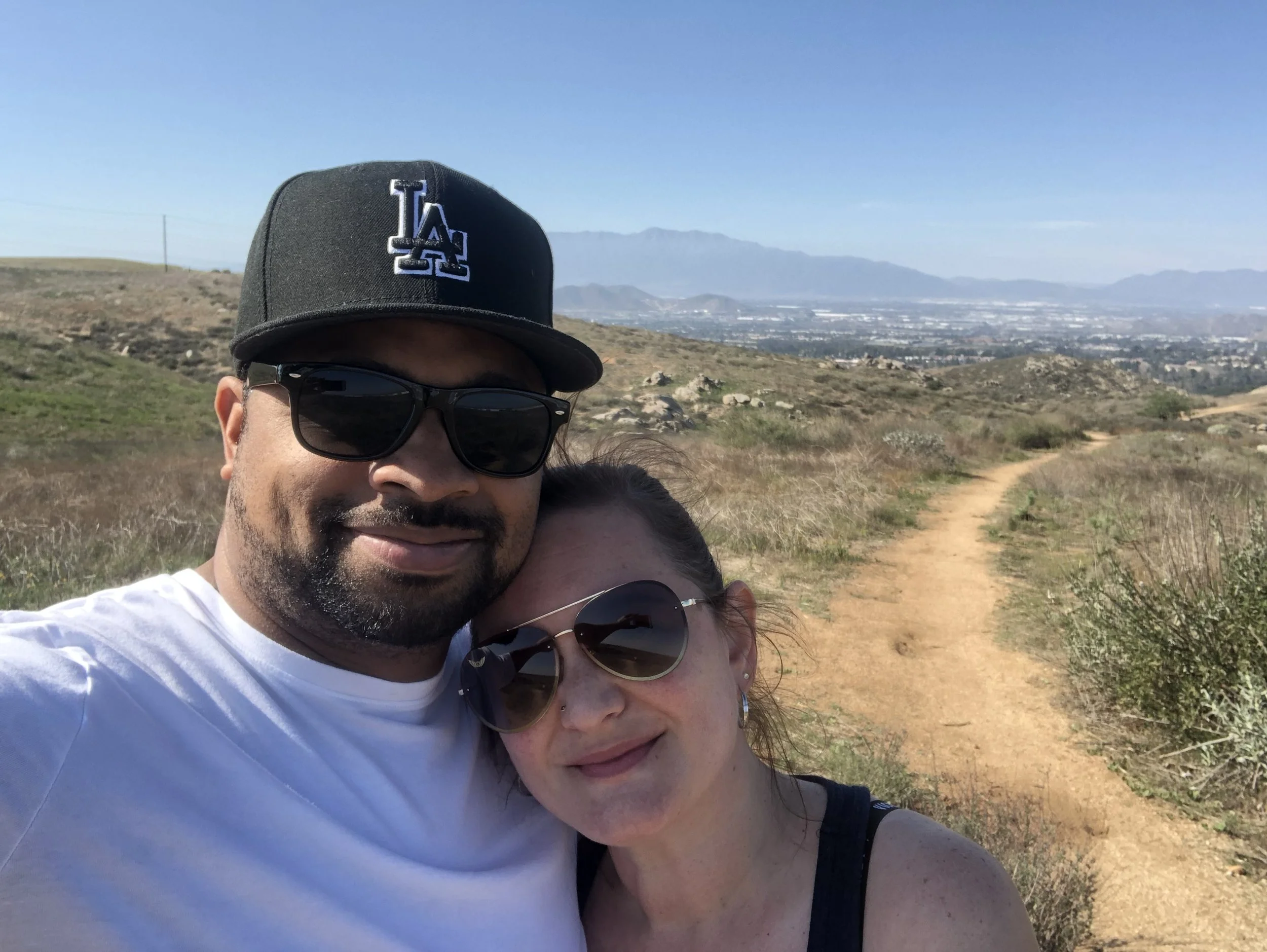
Love later in life can be uniquely beautiful.
Shaun and I came into this relationship carrying plenty of baggage, both shaped by unhealthy dynamics in previous partnerships. But experience carries wisdom, too. Having both been married and divorced, we understand what it means to share a life, to compromise, and to know our non-negotiables. Having been in relationships where love and respect were treated as currency and insecurity was weaponized, we now offer each other unconditional respect and emotional safety.
When we unintentionally cause harm, as all humans sometimes do, we know how to pause, choose each other, make amends, and repair the relationship to something even stronger than before. Having each raised beautiful children, we’ve gained the gift of perspective and partnership in parenting, deepening our relationships with all of our kids. And having endured great loss, and done the work in therapy to find our way back from grief, we now serve as steady lighthouses for one another when the clouds of grief threaten to darken our sunny skies.
When we unintentionally cause harm, as all humans sometimes do, we know how to pause, choose each other, make amends, and repair the relationship to something even stronger than before. Having each raised beautiful children, we’ve gained the gift of perspective and partnership in parenting, deepening our relationships with all of our kids. And having endured great loss, and done the work in therapy to find our way back from grief, we now serve as steady lighthouses for one another when the clouds of grief threaten to darken our sunny skies.
Of course, we still experience moments of conflict. Boundaries are tested. Feelings flare. But we talk about it with care and discernment, choosing the right moment and the right approach to protect what matters most. It’s this practice that allows us to soften toward one another and grow together rather than apart.
Last night over dinner, Shaun told me that one of his exes once said our relationship didn’t worry her—that it could never last because I’m not his “type.” Whatever that means. More than seven years and many milestones later, we’ve both grown far beyond the idea of types. But she’s right. I’m not his type.
I’m his person.
When I downloaded the dating app Zoosk all those years ago, I never expected to find anything more than a little validation as a suddenly single forty-year-old mom. Instead, I found my forever partner-in-crime, my one and only Valentine. And though we don’t really celebrate the holiday (it’s just not our thing), every day feels like Valentine’s Day. And that, for us, is exactly right.